
Using the star grounding technique
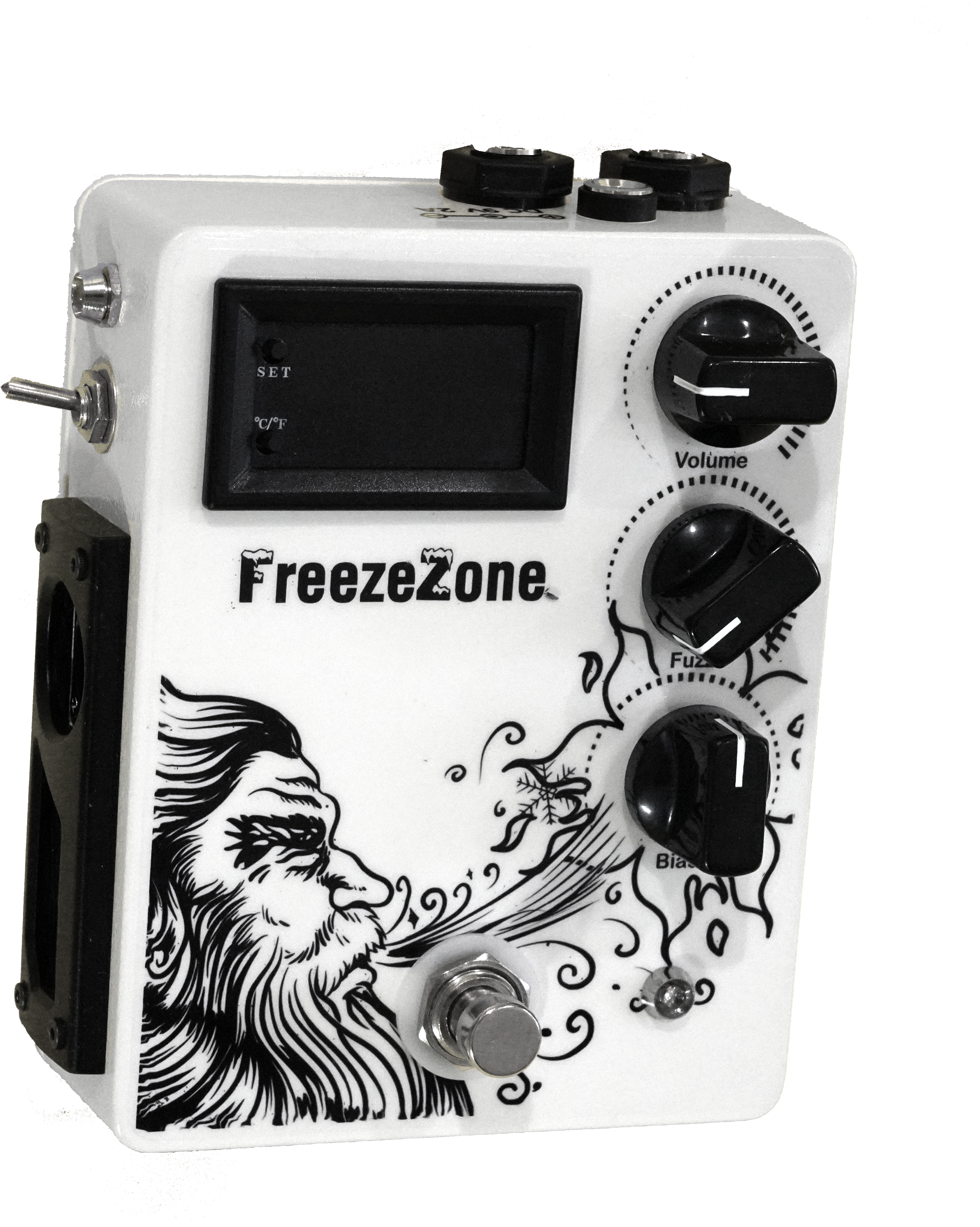
The FreezeZone Fuzz Pedal is quiet
Fuzz pedals are inherently noisy due to their high gain and clipping design. A low noise floor is desired for studio recording to achieve high-quality results. The FreezeZone Fuzz Pedal has a very low noise floor.
Where does the noise come from? EMI/RFI noise comes in with your input signal, from your power source, and is generated from circuits inside your fuzz pedal.
The FreezeZone uses advanced techniques to reduce noise in their pedals. Here are just some of the techniques the FreezeZone uses to reduce the noise floor in their fuzz pedal:
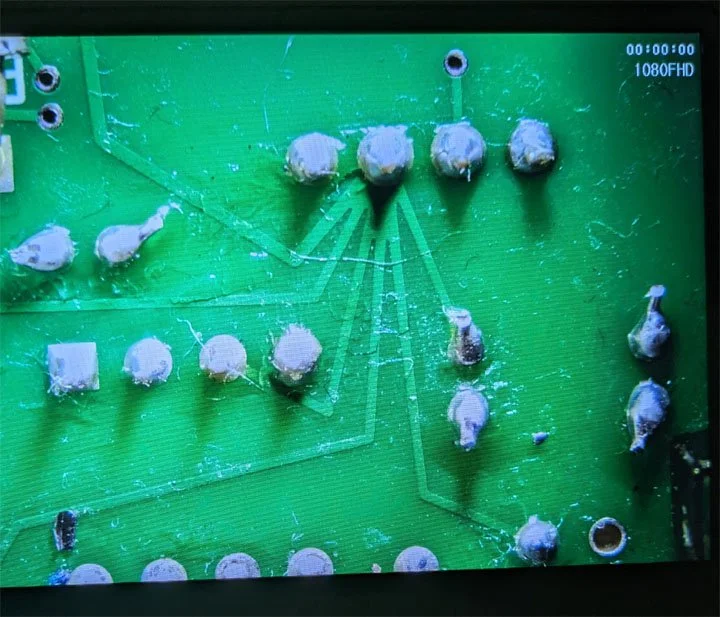
It starts with the design process. The FreezeZone pedals use the star grounding technique (seen in image), which is an electrical wiring method where all components in the circuit are connected to a single, central ground point. This contributes to a lower noise floor.
The FreezeZone Pedal incorporates high-end shielded cable on the input and output leads for noise reduction (ver 3.0 and later). The shield picks up any noise that gets through and grounds it.
The FreezeZone Pedal uses line filters to suppress EMI/RFI noise from the power source and noise from its internal components (thermostat, voltage regulators, fan).
Lowering the temperature of the Germanium transistor results in a lower noise floor.
The importance of eliminating noises from your pedal during Studio recording or using in your DAW cannot be overemphasized. There are noise gates and software to remove unwanted noise. The problem with noise gates and noise removing software is that they remove part of the original audio signal, which can muddy the tone or eliminate the fuzzy texture; it's just better to start with as little noise as possible.
All in all the FreezeZone pedal may be one of the quietest fuzz pedals in production. Listen to the pedal